25 November 2026
Senior Care 101: How Assisted Living, Independent Living, and Nursing Homes Really Compare
Presented by @arthurvojb725
Business Name: BeeHive Homes of Henderson
Address: 1000 Greenway Rd, Henderson, NV 89002
Phone: (702) 551-0265
BeeHive Homes of Henderson
At BeeHive Homes of Henderson, Nevada, we offer the finest assisted living and memory care experience available in a cozy, comfortable homelike setting. Each of our residents has their own spacious room with an ADA approved bathroom and shower. We prepare and serve delicious home-cooked meals three times a day every day. We maintain a small, friendly community of only 20 residents per home. We provide regular activities that our residents find fun and contribute to their health and well-being. Our staff is attentive and caring and provides assistance with daily activities to our residents in a loving and respectful manner. We would like to invite you to tour and experience our memory care & assisted living home and feel the difference.
1000 Greenway Rd, Henderson, NV 89002
Business Hours
Families rarely start researching senior care since they have spare time and interest. The majority of arrive in crisis or near it. A fall, a medical facility stay, a wandering occurrence, or a sudden realization that the costs are not being paid. Then the vocabulary begins flying: independent living, assisted living, knowledgeable nursing, memory care, respite care. All of it sounds technical, yet the choices are deeply personal.
I have actually sat at lots of kitchen area tables with adult kids trying to make sense of those words. They bring spreadsheets, guilt, old pledges about "never ever putting mom in a home," and an intense desire not to slip up. The fact is, there is no ideal setting. There are trade‑offs, and they look various for a fiercely independent 78‑year‑old than they do for a frail 92‑year‑old with sophisticated dementia.
What follows is a useful guide to how independent living, assisted living, and nursing homes work in real life, how respite care suits, and what tends to work best for various levels of need. The goal is not to sell you on a particular alternative, but to help you see what these places are actually like when the pamphlets are put away.
What these terms actually mean
The senior care market uses shorthand that puzzles households. It assists to remove it back to the basics.
Independent living is housing with features customized for older adults who are mainly self‑sufficient. Consider it as a house or cottage in a community where nearly everyone is retired, meals and activities are readily available, and somebody will examine you if you are missing out on at dinner, however you handle your own personal care and medical needs.
Assisted living is for older grownups who can no longer securely handle all day-to-day tasks alone, however do not need 24‑hour medical guidance. Staff aid with bathing, dressing, medications, and in some cases movement. There is typically a nurse on site, however the setting feels residential, not clinical.
Nursing homes, also called proficient nursing facilities, supply the greatest level of healthcare outside a healthcare facility. Residents frequently have complicated medical conditions, require comprehensive support with everyday activities, or require rehab after surgery or disease. The environment is more controlled, with certified nursing readily available around the clock.
Respite care is short‑term care in any of these settings, typically for a couple of days to a couple of weeks. It is designed to provide household caretakers a break, test‑drive a neighborhood, or cover spaces throughout disease, travel, or home modifications.
Within those broad categories, quality and culture differ commonly. Two assisted living neighborhoods 3 miles apart can feel like completely different worlds. Regional guidelines likewise form what each kind of community is enabled to do, specifically around medical tasks.
Key differences at a glance
A narrative description assists, however in some cases you require a fast photo to orient you. The following comparison uses the typical design in numerous parts of the United States. Regional rules, specific neighborhoods, and other nations can differ, so treat this as a working map, not a legal definition.
-
Independent living: Citizens are self‑sufficient, with optional assistance from outdoors services. Focus on way of life, socialization, and benefit rather than medical care.
-
Assisted living: Locals require routine aid with personal care or medications but do not need consistent nursing oversight. Personnel assistance daily life, and the setting aims to feel like home.
-
Nursing home: Homeowners have major, continuous medical or functional needs. Licensed nurses are present at all times, and medical care, rehab, and guidance are central.
-
Respite care: Short‑term stay, typically in assisted living or a nursing home. Supplies momentary elderly care when family assistance is not available or requires relief.
This structure helps you match your member of the family's requirements with the right level of senior care before you get lost in sales tours.
Independent living: Flexibility with a security net
Independent living is often the primary step out of a long‑time home. It works best for older adults who are still handling their own medications, financial resources, and individual care but are tired of home maintenance or are feeling too isolated.
From the resident's perspective, the appeal is straightforward. No more snow shoveling, roof leaks, or worrying who will repair the water heater. Meals can be supplied, though many homeowners still like to prepare. There are neighbors in similar life phases, and activities ranging from book clubs to fitness classes. Transport to medical visits is common.
The tricky part is that independent living is not a medical model. Staff are not anticipated to assist with bathing, toileting, or hands‑on transfer support. They are not typically tracking blood glucose or blood pressures. If a resident starts to fall frequently, forgets to consume, or mismanages medications, the community will typically suggest hiring in‑home caregivers or transferring to assisted living.
Families sometimes misjudge this. I have actually seen independent living homes filled with grab bars, walkers, and tablet organizers, plus a resident who is plainly overwhelmed. On paper, they "live separately." In practice, their quality of life is poor, and they are one broken hip far from a forced move.
Independent living works well when:

- The older adult worths privacy and control, and still manages daily jobs reliably.
- There is some regional assistance, whether from family or paid services, that can step in as requirements change.
- The individual is socially open enough to benefit from community life, or at least neutral towards it.
It can be a poor fit if isolation, medication confusion, or unsafe mobility are already major concerns. Relocating to independent living because situation often purchases only a short window before another relocation is needed.
Assisted living: Assistance for daily life
Assisted living sits in the middle of the senior care spectrum, and for lots of older adults it is the sweet spot. The resident has their own home or suite. They bring their furnishings, images, and preferred chair. Meals, housekeeping, and laundry are dealt with. Personnel assist with personal care, and somebody is constantly close by.
At its best, assisted living preserves self-respect while quietly covering a net around the susceptible parts of day-to-day regimen. A resident might require assistance actioning in and out of the shower but can wash their own hair. Or they can dress themselves if someone sets out the clothing. Or they are mentally sharp however physically restricted by Parkinson's or serious arthritis.
Medication management is often the single essential service. In lots of assisted living communities, staff shop and administer medications, track refills, and coordinate with pharmacies. For people juggling high blood pressure pills, blood slimmers, diabetes medications, and more, this is not a high-end. It avoids ER visits.
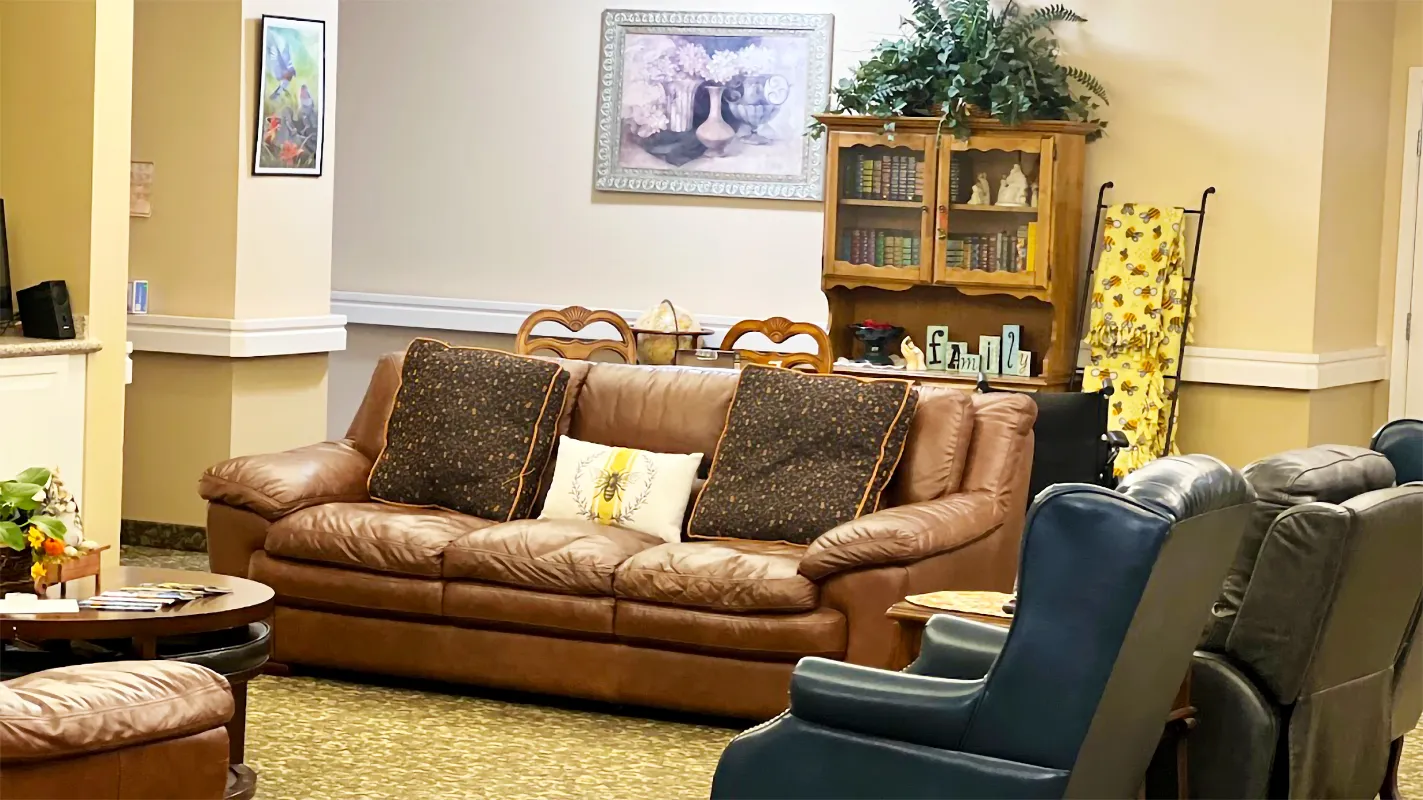
However, households often anticipate assisted living to work like a small healthcare facility. That is not realistic. Assisted living staff are trained in elderly care and individual memory care support, but they are not staffed like an intense care unit.
Typical limits in assisted living consist of:
- Residents normally require to be clinically stable. Severe oxygen requirements, unmanaged behaviors, or rapidly changing conditions might require a higher level of care.
- Most communities can not provide constant one‑on‑one guidance, such as for a resident who attempts to stand and walk every few minutes regardless of extreme fall risk.
- There are usually rules around lifting and transfers. If a resident needs 2 employee to transfer securely, not every assisted living site can accommodate that.
From an expense point of view, assisted living is often personal pay. Regular monthly charges vary extensively by region however can vary from the low thousands to well over six thousand dollars monthly, depending on home size and care level. Care charges are frequently tiered: as needs rise, so do costs.
Families must look beyond the decor. Observe how personnel speak to locals in the hallways and dining-room. Ask how they deal with falls, how often care plans are evaluated, and what happens if the resident's requirements increase. Communities that address these questions clearly and without deflecting provide a better safety net over time.
Nursing homes: Treatment and long‑term support
Nursing homes occupy a difficult place in public imagination. Many older adults state, often firmly, "I never ever want to wind up in a home." That fear is rooted in older models of institutional care and in extremely real stories of poor‑quality centers. It is likewise true that for some people, an excellent competent nursing center is the safest, most suitable option.
Nursing homes supply 24‑hour nursing supervision, medication administration, wound care, feeding support, and rehab therapies such as physical, occupational, and speech treatment. Residents might be short‑term, recuperating from joint replacement, stroke, or major infection. Or they might be long‑term, living there for many years with innovative dementia, extreme mobility limitations, or complex medical needs.
The environment is more medical. You will see med carts, lifts, therapy fitness centers, and personnel in scrubs. Regulations are stricter than in assisted living. There are care strategy meetings, routine doctor oversight, and detailed documents requirements.
From a useful viewpoint, somebody may require a nursing home if:
- They are bedbound or require total support for movement and personal care.
- They have frequent or complex medical interventions: feeding tubes, IV medications, advanced wound care, or complex respiratory support.
- Their cognitive or behavioral signs need structured guidance that assisted living can not securely provide.
One subtlety lots of families discover the difficult method: short‑term rehabilitation stays are often covered for a limited time by insurance coverage or national health systems after a certifying healthcare facility stay, but long‑term custodial care (aid with bathing, dressing, toileting) is usually not covered the same method. People run out of rehabilitation days or protection and shift to personal pay or public long‑term care programs. Comprehending this financial shift early prevents panicked choices later.
Quality differences throughout nursing homes are plain. In some, call lights ring endlessly, residents sit plunged in wheelchairs, and staff turnover is consistent. In others, staff understand residents by nickname, therapy is proactive, and households feel included. Visiting at various times of day, talking with families in the lobby, and asking personnel the length of time they have worked there frequently informs you more than any score website.
Where respite care fits in
Respite care is among the most underused tools in senior care. It is momentary residential care that offers family caregivers a break or bridges a transition. Respite can happen in assisted living, a nursing home, or in some cases specialized short‑stay units.
Typical situations:
A daughter taking care of her father with mid‑stage dementia requires to take a trip for work for a week. She arranges a 10‑day respite remain in a memory‑capable assisted living community. Her father gets structured activities and guidance; she gets to do her task without continuous worry.
A spouse caretaker is tired however feels guilty admitting it. A social employee recommends a two‑week respite in a knowledgeable nursing facility. Throughout that time, the spouse has their own medical consultations, captures up on sleep, and examines whether home care stays realistic.
An older adult is discharged from the healthcare facility after pneumonia. They are still weak, and the household is uncertain if they can handle in the house safely. A short rehabilitation remain in a nursing home functions as respite and as a trial run. If strength returns, they can return home or to independent living. If not, the household has more time to plan long‑term arrangements.
Respite care slots can be limited, specifically throughout peak times like holidays. They often need advance planning, upgraded medical info, and an evaluation to verify the setting can satisfy the person's requirements. For many households, however, respite is the pressure valve that prevents burnout or risky caregiving situations.
Daily life: What really changes from one setting to another
Brochures tend to highlight amenities. Homeowners and households care more about how the day unfolds.
In independent living, mornings depend almost totally on the resident's choices. Some sleep late and consume coffee in their kitchen space. Others head straight to the dining room. Personnel may check in discreetly, for instance by noting who has not pertain to meals, however there is no expectation that citizens follow a specific schedule.
In assisted living, day-to-day rhythms are shaped by care needs. Personnel produce schedules for bathing assistance, medication rounds, and housekeeping. A resident might receive help with showering two times per week, medication administration 3 times each day, and help preparing yourself in the morning and at bedtime. Activities are used at set times, yet residents still have flexibility to select whether to join.
In nursing homes, the structure is tighter. Medication administration, treatments, and therapy sessions follow clinical routines. Meals take place on schedule, in some cases with assigned seating in dining rooms or provided at the bedside. Flexibility is possible, particularly in higher‑quality facilities, however daily life is more regulated merely since medical jobs must be completed.
Families sometimes worry that structure equals loss of autonomy. In truth, for somebody living with significant special needs, structure can feel stabilizing. The secret is whether staff method routines with regard and collaboration. "How would you like to begin your morning?" feels really different from "Time to get up, we have to get this done."
Safety, self-respect, and threat: Discovering a workable balance
One of the hardest parts of senior care planning is balancing security with autonomy. Professionals in elderly care speak about "self-respect of risk" - the idea that adults deserve to choose that involve some risk, as long as they understand and accept the consequences.
In practice, this looks different in each setting:
In independent living, the community might strongly motivate fall avoidance steps, but locals can still decrease grab bars or choose to use a rolling office chair rather of a stable dining chair. As long as they are able to make informed choices, their right to cope with danger is broad.
In assisted living, the lines are blurrier. Personnel are responsible for resident safety, yet they are also expected to honor preferences. If a resident with a history of falls demands walking without a walker, the care team will likely involve the household, document the conversation, and try to negotiate. They may schedule physical treatment to assess gait or schedule monitored walks.
In nursing homes, security concerns bring much more weight due to the fact that regulatory examination and liability dangers are high. That does not eliminate resident rights, however it narrows the series of acceptable risks. For example, a resident who gets rid of a fall alarm might still be enabled to do so, however personnel should reveal that they evaluated cognition, informed the resident, and carried out alternative measures.
Families typically lean greatly towards safety, particularly after a scare. Older adults tend to lean toward independence, especially if they already feel their world shrinking. The healthiest choices typically originate from honest discussions where both point of views are named and respected, instead of rushed choices made in the shadow of a crisis.
Money: How costs and coverage truly work
Money shapes senior care alternatives more than many families wish to admit. It is uncomfortable to put a dollar sign next to quality of life, however neglecting costs does not make them disappear.
Independent living is typically private pay. Monthly charges differ based on location, size of unit, and consisted of services. Utilities, meals, housekeeping, and social programs are typically bundled. Health insurance hardly ever covers this setting due to the fact that it is thought about housing, not medical care.
Assisted living is likewise typically personal pay, with some regional exceptions for minimal public financing programs. Base lease covers the home and standard services. Care charges are added based upon an assessment of needs, like support with bathing, dressing, or medication management. As requirements grow, monthly expenses often increase.
Nursing homes are more complicated. Short‑term skilled rehab after a health center stay might be partly or totally covered for a specified period, if particular requirements are met. Long‑term house for custodial care is various. Protection depends heavily on nation and local policies, however lots of people either pay privately till they get approved for public long‑term care programs, or they rely on a mix of personal funds and public aids from the start.
Respite care can be private pay or subsidized by caregiver support programs, long‑term care insurance, or local social services. Coverage guidelines vary widely. Numerous families assume respite is covered, only to discover that advantages are minimal or need preauthorization.
A frank early discussion with a financial organizer, elder law attorney, or social worker who comprehends local benefits conserves heartbreak later. Excellent preparation considers not only regular monthly charges, but also what takes place if the older adult lives longer than anticipated, becomes widowed, or needs to transfer to a greater level of care.
How health changes press the requirement to step up care
People hardly ever move straight from independent living to a nursing home without something altering. Patterns usually emerge.
For example, memory decline starts as small lapses: misplaced secrets, a missed visit. Then expenses pile up, devices are left on, driving ends up being doubtful. Initially, in‑home aid can compensate. With time, the risk of leaving the range on or roaming during the night may make assisted living with memory care a better option.
Mobility problems follow another course. An individual with arthritis might walk more gradually, but securely, for years. Include a stroke or a hip fracture, and unexpectedly transfers, toileting, and bathing require 2 individuals and unique devices. At that point, assisted living might no longer have the ability to satisfy transfer requirements, and a nursing home ends up being the more secure choice.
Chronic diseases can tip the balance too. Somebody with cardiac arrest and diabetes might handle well in independent or assisted living for a long period of time with great outpatient care. A number of hospitalizations in a year, intensifying shortness of breath, or duplicated medication modifications might signify that closer medical oversight is required.
Families typically feel guilty when health modifications force a relocation. They see it as a failure to honor guarantees or to "keep mom at home." A more accurate frame is that the individual's requirements evolved, and the care environment required to evolve with them. That is not a damaged pledge. It is responsible adaptation.
Questions to ask when you tour a community
When you stroll into a senior community, it is simple to be swayed by chandeliers or, on the other side, by a faint disinfectant smell. Particular questions grounded in how care works will inform you far more.
-
What occurs if my family member's needs increase? Can they remain here, or would they need to move?
-
How do you deal with falls, medical emergency situations, and medical facility transfers throughout nights and weekends?
-
Who provides medications, how are modifications communicated, and how do you decrease errors?
-
How do you recognize and react to solitude, isolation, or depression amongst residents?
-
Can you describe a current tough situation with a resident and how your group fixed it?
Ask staff for concrete examples and listen carefully to how they speak about residents. Do they utilize considerate language? Do they know citizens' stories? Do they describe households as partners or as obstacles?
After the tour, trust your quieter impressions too. How did locals look and sound? Did staff seem rushed or present? Did anybody talk straight to the older adult you are supporting, or did they only resolve you?
Matching the individual to the place
Choosing among independent living, assisted living, nursing homes, and respite care is less about labels and more about fit.
A 79‑year‑old retired instructor who still drives, volunteers, and manages her own medications may grow in independent living, acquiring friends and dropping the burdens of own a home. A 90‑year‑old widower with moderate dementia, unsteady walking, and weight loss might restore stability in assisted living, with consistent meals, social contact, and cueing for hygiene and medications. A 75‑year‑old stroke survivor who is paralyzed on one side and has a feeding tube will likely be safest in a nursing home with round‑the‑clock nursing and rehabilitation.
Senior care choices work best when they start early, before a disastrous event. Even one exploratory tour of a community before it is urgently needed modifications the tone later. The older grownup has an opportunity to say, "I liked that place with the garden," or "I will never ever live somewhere that smells like bleach," and those preferences can guide the family when crisis comes.
No setting can remove the vulnerabilities that age and disease bring. The genuine objective is more modest and more meaningful: pick a place that supports as much independence as is safely possible, secures from preventable harm, and enables the older grownup to remain an individual with a history and a voice, not just a list of medical diagnoses and tasks.
Independent living, assisted living, nursing homes, and respite care are tools. Utilized thoughtfully, each can offer comfort, safety, and self-respect at different points along the aging journey. The challenge is not to select the ideal tool at last, but to keep adjusting the fit as life unfolds.
BeeHive Homes of Henderson provides assisted living care
BeeHive Homes of Henderson provides memory care services
BeeHive Homes of Henderson provides respite care services
BeeHive Homes of Henderson supports assistance with bathing and grooming
BeeHive Homes of Henderson offers private bedrooms with private bathrooms
BeeHive Homes of Henderson provides medication monitoring and documentation
BeeHive Homes of Henderson serves dietitian-approved meals
BeeHive Homes of Henderson provides housekeeping services
BeeHive Homes of Henderson provides laundry services
BeeHive Homes of Henderson offers community dining and social engagement activities
BeeHive Homes of Henderson features life enrichment activities
BeeHive Homes of Henderson supports personal care assistance during meals and daily routines
BeeHive Homes of Henderson promotes frequent physical and mental exercise opportunities
BeeHive Homes of Henderson provides a home-like residential environment
BeeHive Homes of Henderson creates customized care plans as residents’ needs change
BeeHive Homes of Henderson assesses individual resident care needs
BeeHive Homes of Henderson accepts private pay and long-term care insurance
BeeHive Homes of Henderson assists qualified veterans with Aid and Attendance benefits
BeeHive Homes of Henderson encourages meaningful resident-to-staff relationships
BeeHive Homes of Henderson delivers compassionate, attentive senior care focused on dignity and comfort
BeeHive Homes of Henderson has a phone number of (702) 551-0265
BeeHive Homes of Henderson has an address of 1000 Greenway Rd, Henderson, NV 89002
BeeHive Homes of Henderson has a website https://beehivehomes.com/locations/henderson/
BeeHive Homes of Henderson has Google Maps listing https://maps.app.goo.gl/qpZ3TKgbxCu1MVSh8
BeeHive Homes of Henderson has Instagram page https://www.instagram.com/beehivehomeshenderson/
BeeHive Homes of Henderson has an YouTube page https://www.youtube.com/@hamiltonshives4468
BeeHive Homes of Henderson won Top Assisted Living Homes 2025
BeeHive Homes of Henderson earned Best Customer Service Award 2024
BeeHive Homes of Henderson placed 1st for Senior Living Communities 2025
People Also Ask about BeeHive Homes of Henderson
What is BeeHive Homes of Henderson Living monthly room rate?
Our base rate is $4,700 per month for assisted living and $5,700 per month for memory care plus a one-time community fee of $2,500. We do an assessment of each resident's needs prior to move-in, so each resident's rate may be higher. These prices fall into three tiers based on resident needs and range from $4,700/month to $7,300/month. However, after we do the assessment and quote a price, there are no add-ons or hidden fees
Does Medicare and Medicaid pay for a stay at Bee Hive Homes?
Medicare pays for hospital and nursing home stays, but does not pay for assisted living. Some assisted living facilities are Medicaid providers but we are not. We do accept private pay, long-term care insurance, and we can assist qualified Veterans with approval for the Aid and Attendance program
Do we have a nurse on staff?
We do have a nurse on contract who is available as a resource to our staff but our residents' needs do not require a nurse on-site. We always have trained caregivers in the home and awake around the clock
What can you tell me about the food at Bee Hive?
You have to smell it and taste it to believe it! We use dietitian-approved meals with alternates available for flexibility, and we can accommodate needs for different textures and therapeutic diets. We have found that most physicians are happy to relax diet restrictions without any negative effect on our residents
Do we allow pets?
We do allow small pets as long as the resident is able to care for them. State regulations also require that we have evidence of current immunizations for any required shots
Where is BeeHive Homes of Henderson located?
BeeHive Homes of Henderson is conveniently located at 1000 Greenway Rd, Henderson, NV 89002. You can easily find directions on Google Maps or call at (702) 551-0265 Monday through Sunday 9:00am to 5:00pm
How can I contact BeeHive Homes of Henderson?
You can contact BeeHive Homes of Henderson by phone at: (702) 551-0265, visit their website at https://beehivehomes.com/locations/henderson/ or connect on social media via Instagram or Facebook
Residents may take a trip to the Mom's Kitchen. Mom's Kitchen provides a comfortable local dining option where families visiting loved ones receiving Assisted living memory care senior care elderly care and respite care can enjoy a casual meal together.